Driving Your Dog or Cat Out of Arizona? Screwworm Rules Now Apply to Pets
ARIZONA AND CALIFORNIA — Rules and case counts as reported through November 13, 2026.
Dogs and cats leaving Arizona now need paperwork that most owners have never had to think about. Because Arizona has active New World screwworm infested zones, California and several other states require a recent veterinary inspection before pets from Arizona cross the line, and the rules are stricter for animals coming from inside a zone. With Thanksgiving travel days away, the planning window is short.
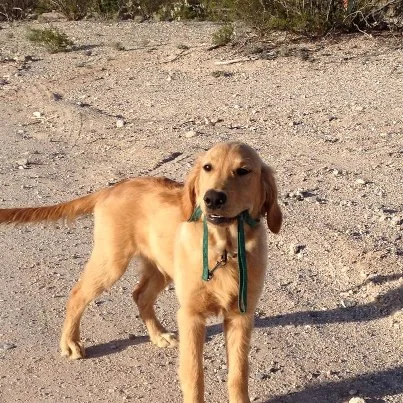
A dog on a desert road at Saguaro National Park near Tucson, Arizona. Illustrative photo, not connected to any screwworm case. Photo: National Park Service, public domain.
Arizona's first screwworm case was a dog in Cochise County, confirmed by the U.S. Department of Agriculture on October 28. Since then the state has confirmed more. In a release dated November 11, the Arizona Department of Agriculture reported a fifth case, a dog near Thatcher in Graham County with no known travel history, about 75 miles from the first case. A sixth case followed in a horse near Pearce, in Cochise County. As of November 13, the department counted six animal cases, two of them dogs, according to the veterinary news site dvm360, which reviewed the department's case dashboard.
Around each confirmed case, officials draw a mandatory infested zone with a radius of 20 kilometers, about 12.4 miles. The state says no animals may leave an infested zone until movement restrictions are lifted, unless the State Veterinarian directs otherwise. Zones now cover parts of Cochise, Greenlee and Graham counties.
Other states have reacted. Tucson station KOLD reported on November 13 that at least nine states, including California, Colorado and Texas, now require animals from Arizona to be inspected for screwworm before they arrive, and that local clinics are getting a wave of calls from owners planning holiday trips. We confirmed California's rules directly; we did not check every state on that list.
What California requires for a dog or cat from Arizona
California's State Veterinarian put an entry quarantine in place on June 12 for animals coming from any state with an active screwworm infested zone. It covers livestock and horses, and it names companion animals as well: dogs, cats, rabbits, pet parrots and domestic rodents. Arizona now falls under it.
For a pet that lives in Arizona but outside an infested zone, the California Department of Food and Agriculture (CDFA) requires:
- An inspection by a USDA-accredited veterinarian within seven days before arrival in California.
- An electronic certificate of veterinary inspection (eCVI) with this statement: "All animals were inspected and found free of evidence of New World Screwworm infestation." Paper certificates are not accepted.
- A California entry permit, requested at least 48 hours, and preferably 72 hours, before you travel.
For a pet coming from inside an infested zone, the inspection window shrinks to five days. The animal must also have received an approved systemic screwworm treatment no more than 14 days before arrival, and carry any movement certificate the home state requires. For pets, the paperwork can identify the animal with photos or an ISO-standard 15-digit microchip.
Arizona has its own rules for the zones. According to dvm360's summary of a November 9 memo from the Office of the State Veterinarian, dogs and cats outside an infested zone face no Arizona movement restrictions. Pets inside a zone must be on an FDA-approved, conditionally approved or emergency-authorized screwworm treatment to move within the state, and need an Arizona pre-movement permit plus an eCVI to leave it. We could not open the memo itself, because the department's website blocked our automated access, so check the details with your veterinarian.
Beyond the Headlines
How to plan a holiday trip without getting stuck
The timing is the tricky part. California wants the exam within seven days of arrival, or five from an infested zone, but the entry permit has to be requested at least two days before you leave, and the veterinarian needs time to file the electronic certificate. In practice, that means booking the exam for a few days before departure, not weeks ahead and not the morning you leave. Arizona's memo also tells owners to review destination rules early, according to dvm360, so the vet has time to confirm them with the other state's animal health office.
Start with the destination. The site interstatelivestock.com lists entry requirements by state, but the rules are changing quickly, so a call to the destination state's veterinarian's office is worth the few minutes. Then ask your clinic whether one of its veterinarians is USDA-accredited, since only accredited vets can sign these certificates. A microchip that has been scanned and recorded on the certificate can make the identification step easier.
The California rules are tied to a state with an active infested zone, not to Arizona alone. Texas also has infested zones, as we reported in our earlier look at the rise in screwworm cases in Texas, New Mexico and Arizona, so owners heading west from Texas should check the same requirements.
Cats are covered too, and for many of them the hardest part may be the vet visit itself. If yours hides at the sight of a crate, our guide on how to get a cat into a carrier with small, calm steps is worth reading before you book the exam.
Whatever your travel plans, the basic advice from Arizona officials stays the same: check animals daily for open wounds, especially if they spend time outdoors. A wound with maggots should be reported right away to the Arizona Department of Agriculture at [email protected] or 602-542-4293. California asks owners to inspect animals arriving from affected states and to report a suspect infestation to CDFA within 24 hours.
Sources & further reading
- California Department of Food and Agriculture — Statewide quarantine and Attachment NWS-1: New World screwworm entry requirements, including companion animals (issued June 10, 2026; revised June 29, 2026).
- California Department of Food and Agriculture — Updated California entry requirements: summary chart and arrival inspection rule.
- USDA APHIS — USDA Confirms New World Screwworm in Arizona (October 28, 2026): first case, in a dog in Cochise County.
- Arizona Department of Agriculture — Fifth case, a dog near Thatcher, and expanded infested zone into Graham County (release posted by the Arizona Veterinary Medical Association, November 11, 2026).
- Arizona Department of Agriculture — Sixth case, a horse near Pearce, movement rules for infested zones and reporting contacts (release posted by the Arizona Veterinary Medical Association, November 11, 2026).
- dvm360 — Arizona issues dog and cat travel guidance as New World screwworm cases reach 6 (November 13, 2026): summary of the state's November 9 pet travel memo.
- KOLD 13 News — Arizona screwworm outbreak triggers travel restrictions for pets (November 13, 2026): states requiring inspections.