Pet and Skin Trades Pose Little Threat to Most Reptiles, Researchers Argue
WORLDWIDE — November 10, 2026 commentary, based on studies published July 1 and November 9, 2026.
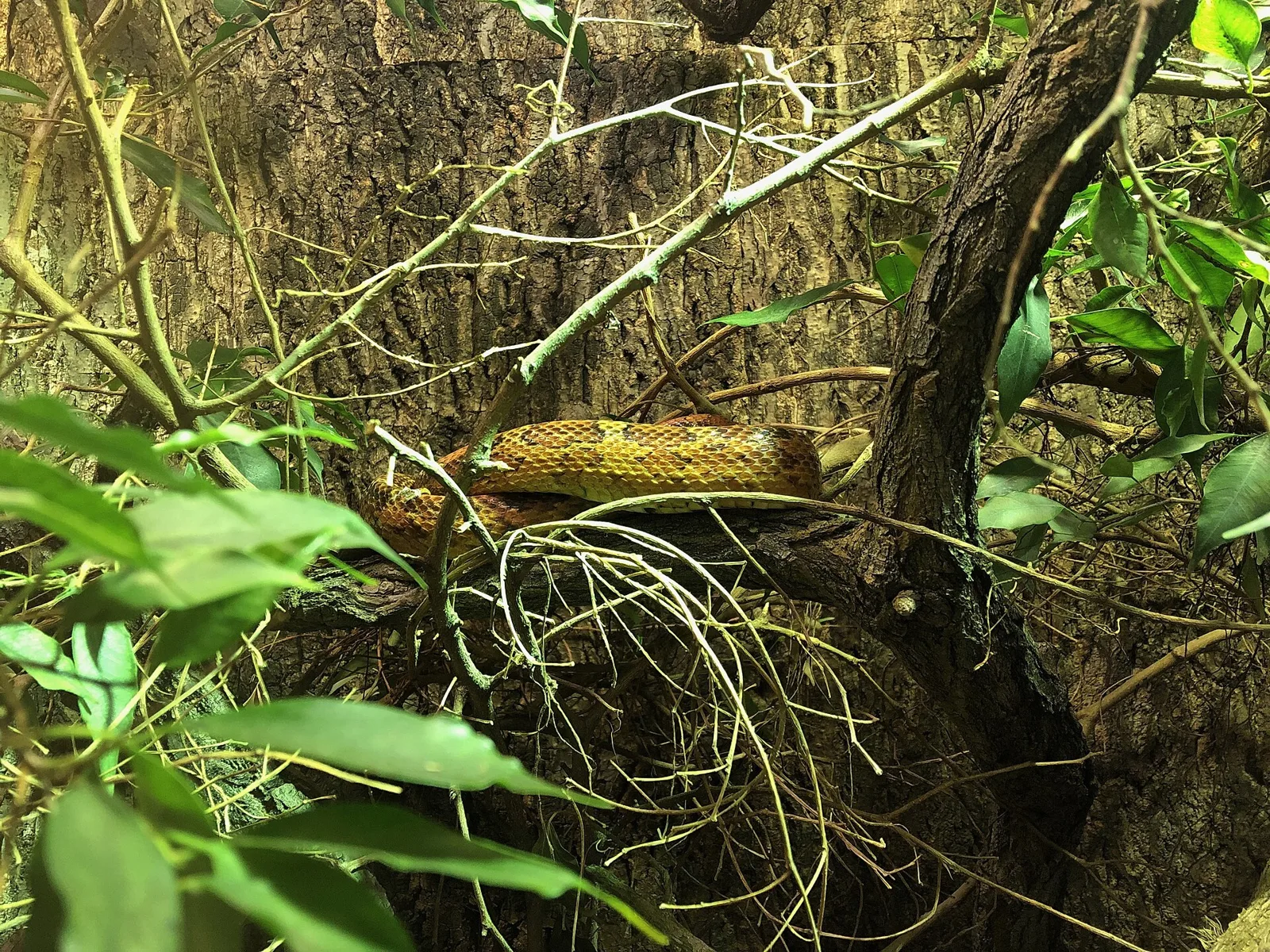
A corn snake in a planted enclosure. Corn snakes are among the species most often listed by pet suppliers. Photo: Killarnee / Wikimedia Commons, CC BY-SA 4.0.
Collecting reptiles for pets and leather is not what is pushing most species toward extinction, three researchers argued on November 10, pointing to two recent studies. Their case is strongest for the common, fast-breeding species that dominate the trade, and they make clear exceptions for turtles and island species.
The argument appeared in The Conversation, in a piece written by Rick Shine of Macquarie University, Daniel Natusch and Timothy J. Colston, a member of the IUCN Snake Specialist Group. Phys.org republished it the same day. It is a commentary by authors summarizing their own research, not an independent review of it.
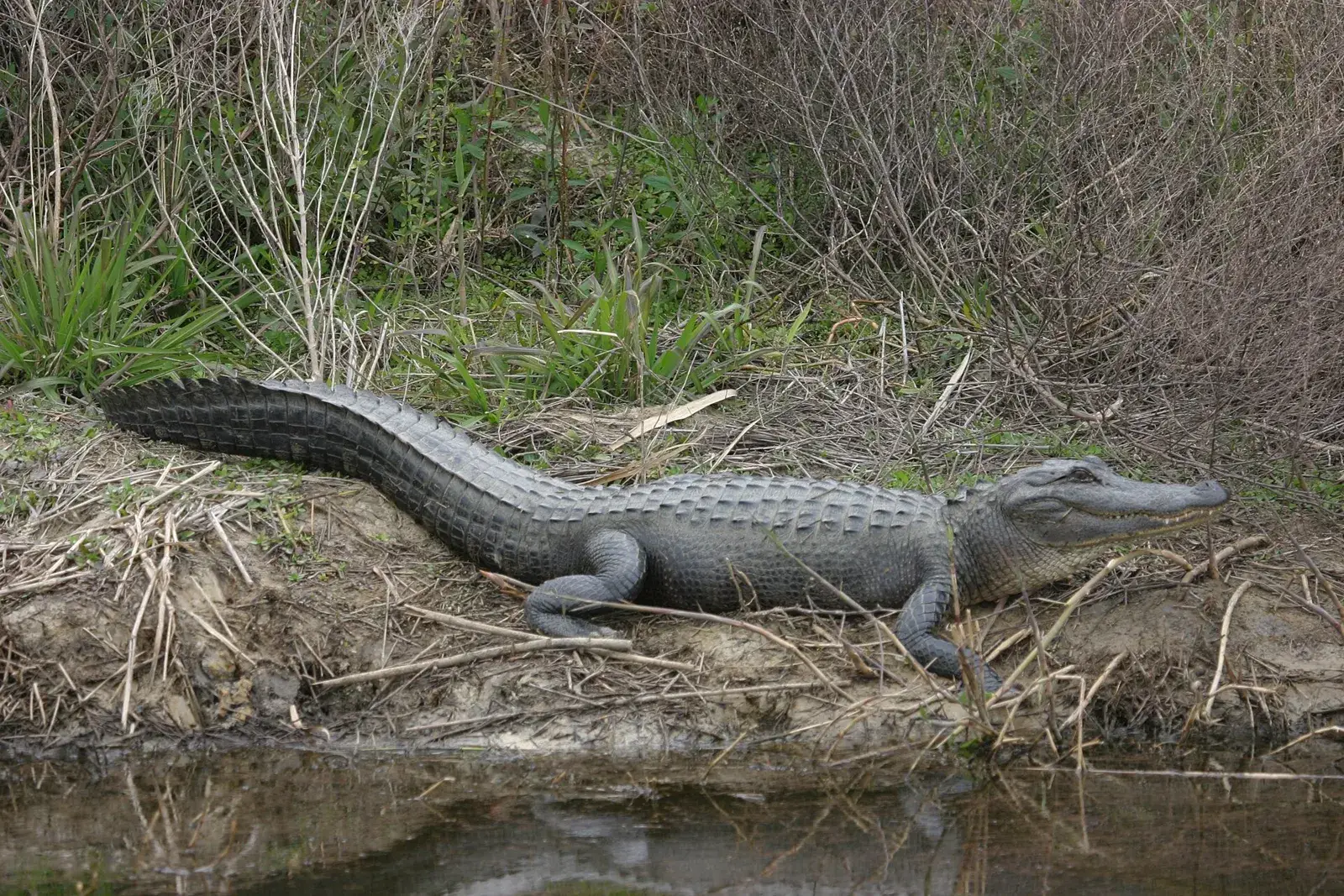
The first study, published July 1 in Scientific Reports and led by Colston, looked at more than 71 million reptile skins traded from 2000 to 2020. Most came from a small group of large, widespread species, among them caimans, American alligators, Nile crocodiles, two water snakes, reticulated pythons and water monitors. About 45% of the animals were reported as wild-caught and 37% as captive-bred. The team found that most species in the skin trade are rated Least Concern by the IUCN and are, on average, less threatened than reptiles that are not traded. IUCN noted that the study looked only at whether harvests are biologically sustainable, not at animal welfare or supply-chain issues.
The second study, published November 9 in Conservation Biology by Shine and colleagues, focused on pets. It analyzed more than 255,000 reptiles and amphibians listed over 16 years by a major U.S. supplier and more than 85,000 listed over six years by European suppliers. Just 22 species made up 31% of listings. Of the 27 taxa listed most often, all were Least Concern except two pythons, and for those the authors judged habitat loss a far bigger threat than collection.
Beyond the Headlines
Why this is not the final word
Several limits matter. The pet data come from printed price lists from roughly 1989 to 2004, before most reptile sales moved online. That world looks different: a 2020 study in Nature Communications found more than 35% of all reptile species offered for sale online, with three-quarters of that trade in species not covered by international regulation. It estimated that about 90% of traded species, and half of traded individuals, were taken from the wild, including some endangered or range-restricted species. Smuggling is another matter the two studies do not measure: in October, German customs reported 92 animals hidden in a traveler's suitcase at Cologne/Bonn Airport.
The commentary says most pet reptiles are bred in captivity. The Conservation Biology abstract is more cautious: about 34% of listings were described as captive-bred, a share that grew over time. The abstract does not say how the remaining listings broke down.
There is also a disclosed interest. In The Conversation, Natusch states that he directs a wildlife charity that has received money from groups that use reptile leather, and from groups that oppose it, and that this funding did not influence the research. The skin-trade study lists the IUCN Species Survival Commission as a funder.
What it means if you keep reptiles
Even the authors of the pet study say the trade carries real risks. They just place them elsewhere: animal welfare, the spread of disease to wild populations, and the ecological and genetic effects of pets that are released. Those are risks owners can influence directly.
Ask sellers whether an animal is captive-bred, especially for turtles and other slow-breeding species, and never release a pet reptile or amphibian outdoors. Our guide to deciding on a pet reptile covers what to ask a seller about an animal's origin, feeding and veterinary history before you buy. If you can no longer care for a nonnative animal in Florida, the state wildlife agency runs an Exotic Pet Amnesty Program to rehome it. Red-eared sliders are the species it receives most often and finds hardest to place.
Sources & further reading
- The Conversation — The pet and skin trades pose little threat to reptile species: new research (November 10, 2026), commentary by the studies' authors, with disclosure statements.
- Phys.org — Republication of the same commentary.
- Scientific Reports — A global assessment of reptiles in the skin trade (Colston et al., July 1, 2026).
- Conservation Biology — The commercial trade in exotic pets has had little impact on wild populations of reptiles and amphibians (Shine et al., November 9, 2026).
- IUCN — Global study suggests most reptile leather trade is biologically sustainable: summary and stated limits of the skin-trade study.
- Nature Communications — Thousands of reptile species threatened by under-regulated global trade (Marshall et al., 2020): the online-trade counterpoint.
- Florida Fish and Wildlife Conservation Commission — Exotic Pet Amnesty Program.